About Us
Addressing GBV in Emergencies
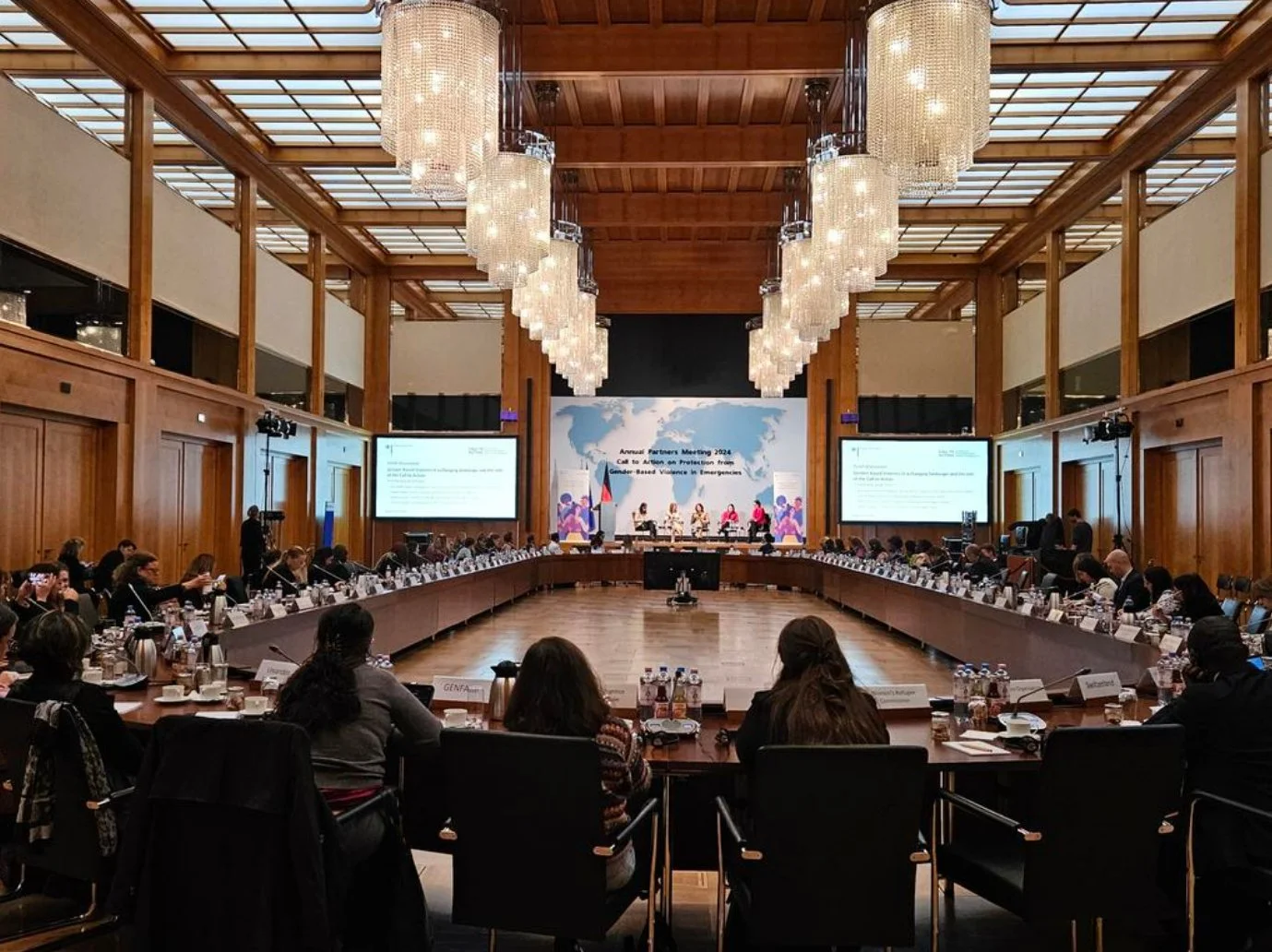
The Call to Action is a global initiative that brings together states and donors, international organisations, and NGOs to fundamentally transform the way gender-based violence is addressed in humanitarian emergencies.
The aim is to drive change and foster accountability so that every humanitarian effort, from the earliest stage of a crisis, includes the policies, systems and mechanisms to mitigate GBV risks, especially violence against women and girls, and to provide safe and comprehensive services to those affected by gender-based violence.
The Challenge
Gender-based violence is a widespread and life-threatening protection and human rights issue that is deeply rooted in gender inequality.
In humanitarian emergencies, risks of GBV increase as conflict, displacement, and disasters disrupt social, legal, and protection systems. Women and girls are disproportionately affected, though men and boys may also face increased risks.
Despite its prevalence and severe consequences, GBV has historically not been prioritised as a lifesaving issue in humanitarian response, particularly in the early phases of crises.
© J. Wanless/IRC
The Response:
A Collective Road Map
The Call to Action was launched in 2013 by the United Kingdom and Sweden to drive systemic change and accountability across the humanitarian system.
Partners commit to addressing GBV from the onset of emergencies through coordinated leadership, shared standards, and measurable action.
The Call to Action Road Map is the initiative’s core operational framework. It sets out shared objectives, outcomes, and principles that guide collective efforts to prevent GBV, mitigate risks, and ensure access to survivor-centred services across humanitarian contexts.
Our Objectives
The Call to Action focuses on three core objectives that guide all partner commitments and activities:
Ensure Services for Survivors
Establish accessible, specialised GBV services from the onset of emergencies.
Mitigate GBV Risks
Integrate GBV prevention and risk mitigation across all sectors of humanitarian response.
Promote Gender Equality
Mainstream gender equality and the empowerment of women and girls in humanitarian action.
How We Work
The Call to Action model is collaborative and partner-driven. Together, we work through a shared framework that enables coordinated, measurable action:
Set Collective Priorities
Partners agree on strategic objectives through the Call to Action Road Map.
Coordinate & Collaborate
States and donors, international organisations, and NGOs contribute expertise and resources.
Implement in Crisis Settings
Actions are adapted and applied in diverse humanitarian contexts, including field-level road maps.
Monitor Progress and Improve
Annual reviews and partner reporting ensure accountability and support continuous improvement.
How We Are Organised
The Call to Action is composed of three Working Groups (States and Donors, International Organisations, and NGOs), a Steering Committee (co-chairs of each Working Group) and a Lead (overseeing the whole process).