
Cairo, Egypt | November 05, 2026
Overview
On 5 November 2026, the Call to Action on Protection from Gender-Based Violence in Emergencies held the regional launch of its Roadmap 2026–2030 for the Arab States in Cairo. The event was organised by the Royal Norwegian Embassy and UNFPA under the Arab States Regional GBViE Working Group, led by Ms. Anna Stone. Hosted by Egypt's Ministry of Youth and Sports at the Women and Girls Safe Space of the New Maadi Youth Center, the launch brought together representatives of governments, the United Nations, international and national NGOs and women-led organisations.
The launch offered an opportunity to translate the Roadmap's global ambitions into a shared regional agenda, at a time when funding for GBV services is declining, safe spaces are closing and women-led organisations are sustaining a growing share of the response with fewer resources.
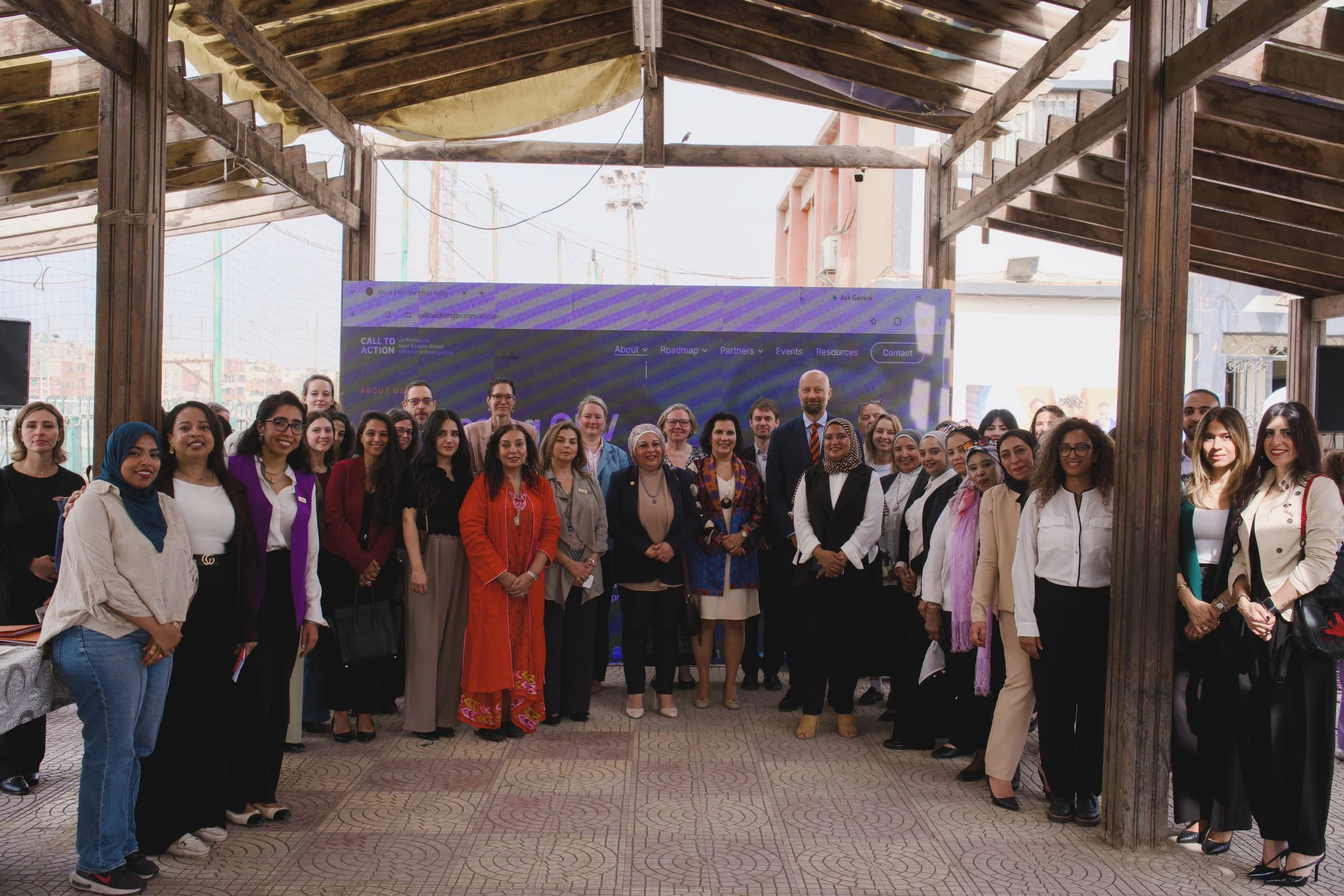
Photo credit: UNFPA Egypt
Opening remarks
His Excellency Mr Erik B. Husem, Ambassador of Norway to Egypt and Libya, officially launched the Roadmap on behalf of Norway as Lead of the Call to Action.
Ms. Nanis El Nakouri, Head of the Central Department for Youth Empowerment, Ministry of Youth and Sports underlined the vital role of Women and Girls Safe Spaces such as the one hosting the event, and called for their expansion, backed by sustainable funding. The Ministry also highlighted the value of economic empowerment opportunities for disadvantaged women and of dedicated support to adolescent girls.
Ms. Laila Baker, UNFPA Arab States Regional Director, then set out the regional picture. Across Lebanon, the occupied Palestinian territory, Sudan, Syria and Yemen, more than 31 million women and girls need GBV prevention and response services, while GBV funding in these contexts fell by almost 58% between 2024 and 2026. Since 2025, 186 Women and Girls Safe Spaces have closed across Sudan, Yemen, Syria and Lebanon, including 71% of all safe spaces in Yemen. An estimated US$9.3 million would reopen every one of them.
The Regional Director called for GBV to be integrated into humanitarian planning and financing from preparedness through response, and for a broader donor base, inviting governments, regional financial institutions such as the Islamic Development Bank, philanthropies and the private sector to help close the gap. Noting that three-quarters of the national and local GBV actors surveyed by UNFPA in these contexts are women-led, the Regional Director stressed that these organisations must be resourced, protected and empowered to lead, with greater attention to the wellbeing and security of frontline staff. UNFPA reaffirmed its commitment to supporting women-led organisations as co-chairs of GBV working groups, strengthening their direct access to funding, including country-based pooled funds, and supporting regional coordination and peer learning on the Roadmap. The Regional Director closed on a note of hope: where the response is resourced, it delivers, as in Gaza, where the number of women and girls reached through safe spaces nearly doubled in 2026.
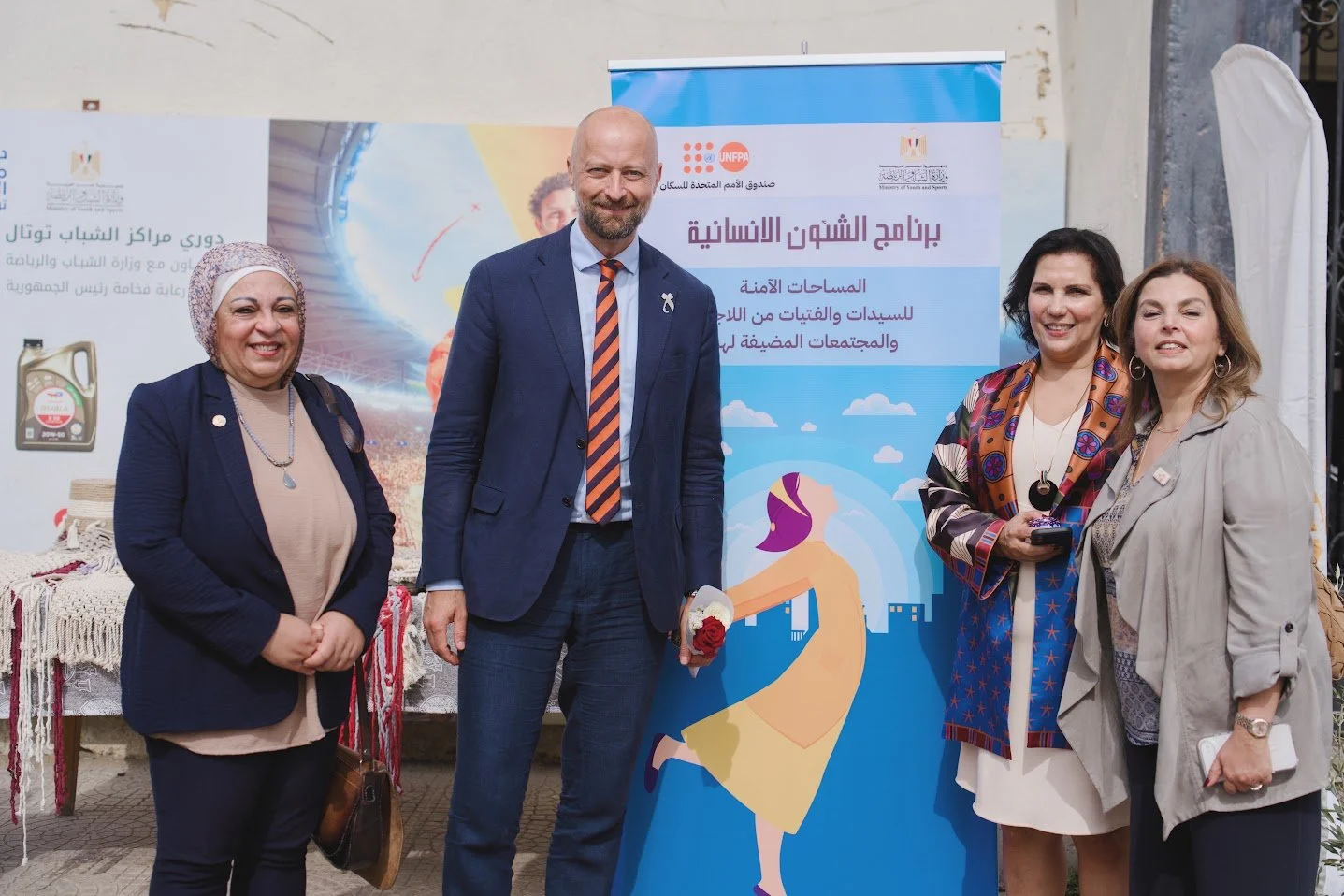
Photo credit: UNFPA Egypt
Women's voices from the region
Participants heard directly from women affected by crises and from the women-led organisations serving them, through recorded messages from Gaza, Lebanon, Syria and Yemen.
Women in Gaza described the immense burden they carry, many displaced and raising children alone in tents as winter approaches, and appealed for shelter, essential supplies, medical care and protection, as well as the means to rebuild their lives. The Yemen Women Union reported that escalating fighting in the southwest had displaced more than 29,000 households between September and October 2026, and called for urgent, flexible and dedicated GBV funding channelled through women-led and local organisations. Speakers from Lebanon called for greater support to women-led organisations and for clarity and accountability on what the new Roadmap will deliver, while women in Syria urged partners to remain engaged, stressing that needs remain high.
Across these contexts, the messages were consistent: fund women-led organisations directly; deliver shelter and essentials ahead of winter; sustain protection and care services; support women to rebuild their lives through access to housing, education and livelihoods; and act now, with lasting commitment.
Closing reflections
Ms. Amira Hussein, GBViE Global Coordinator at CARE Egypt Foundation, delivered the closing reflections, linking the voices heard during the event to the outcomes of the Call to Action's Annual Partners Meeting in Oslo in October 2026. She described the Call to Action's strength as its collective influence: rather than replacing the coordination led by GBV working groups, it can amplify their priorities with Humanitarian Coordinators, pooled fund boards and donors. She stressed that localisation must translate into direct funding and decision-making power for women-led organisations, that safe spaces must be protected as budgets are prioritised, and that specialist GBV expertise must be preserved as humanitarian coordination is restructured.
For the region, CARE proposed three entry points: predictable GBV allocations in the pooled humanitarian funds for Gaza, Lebanon, Sudan, Syria and Yemen, with women-led organisations represented on their advisory boards; regional ownership of the Roadmap through the Regional GBViE Working Group, drawing on the national roadmaps developed in Nigeria and the Democratic Republic of the Congo; and the engagement of new funders, including the League of Arab States, the Islamic Development Bank, financial institutions, philanthropies and the private sector.
Reflecting on its own experience as a long-standing partner, CARE noted that the share of its humanitarian spending channeled through women's organisations rose from 2% in 2022 to 8% by 2025, double its target, and announced that it will renew its commitments under both outcomes of the new Roadmap.
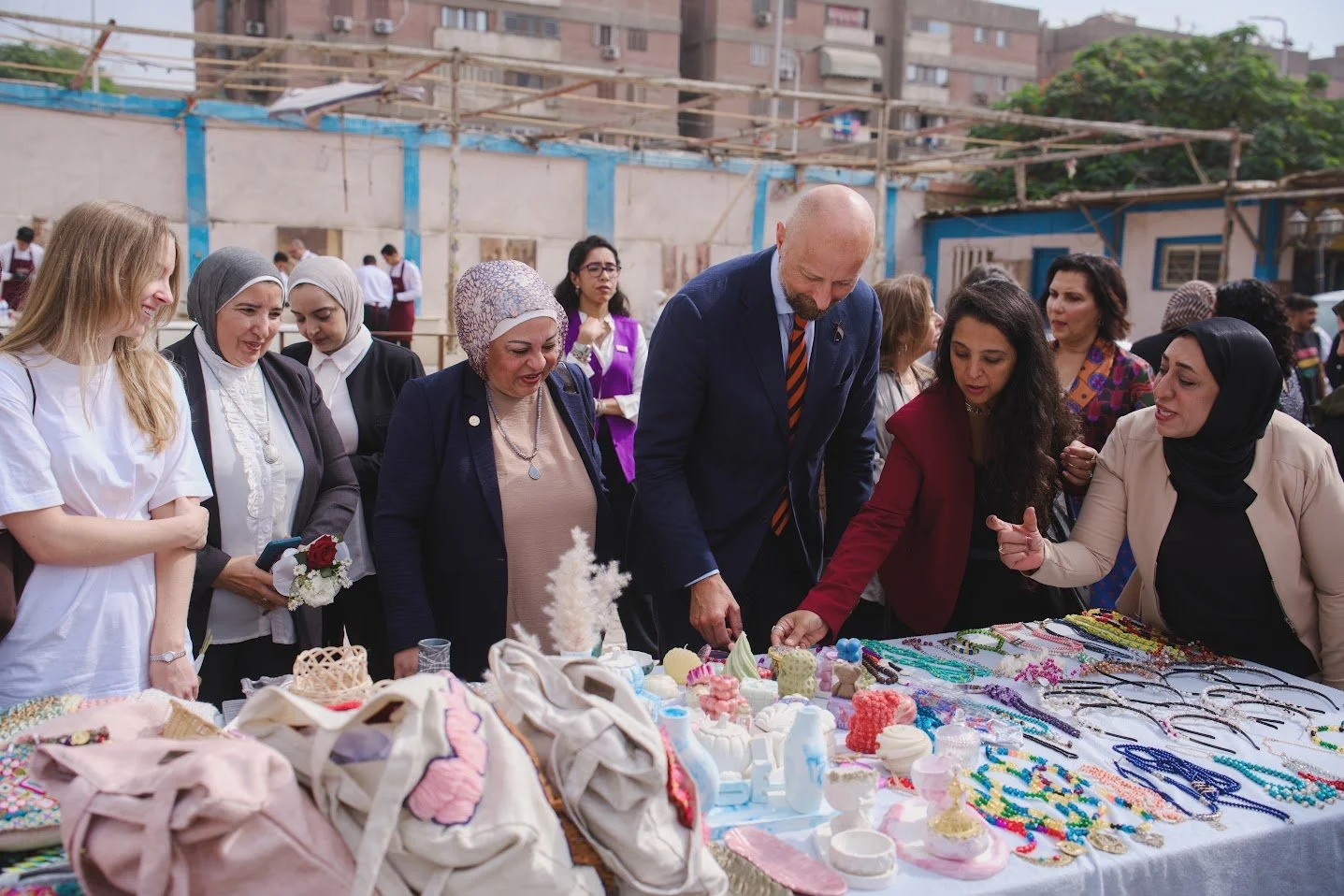
Photo credit: UNFPA Egypt