
Meeting with the Emergency Relief Coordinator
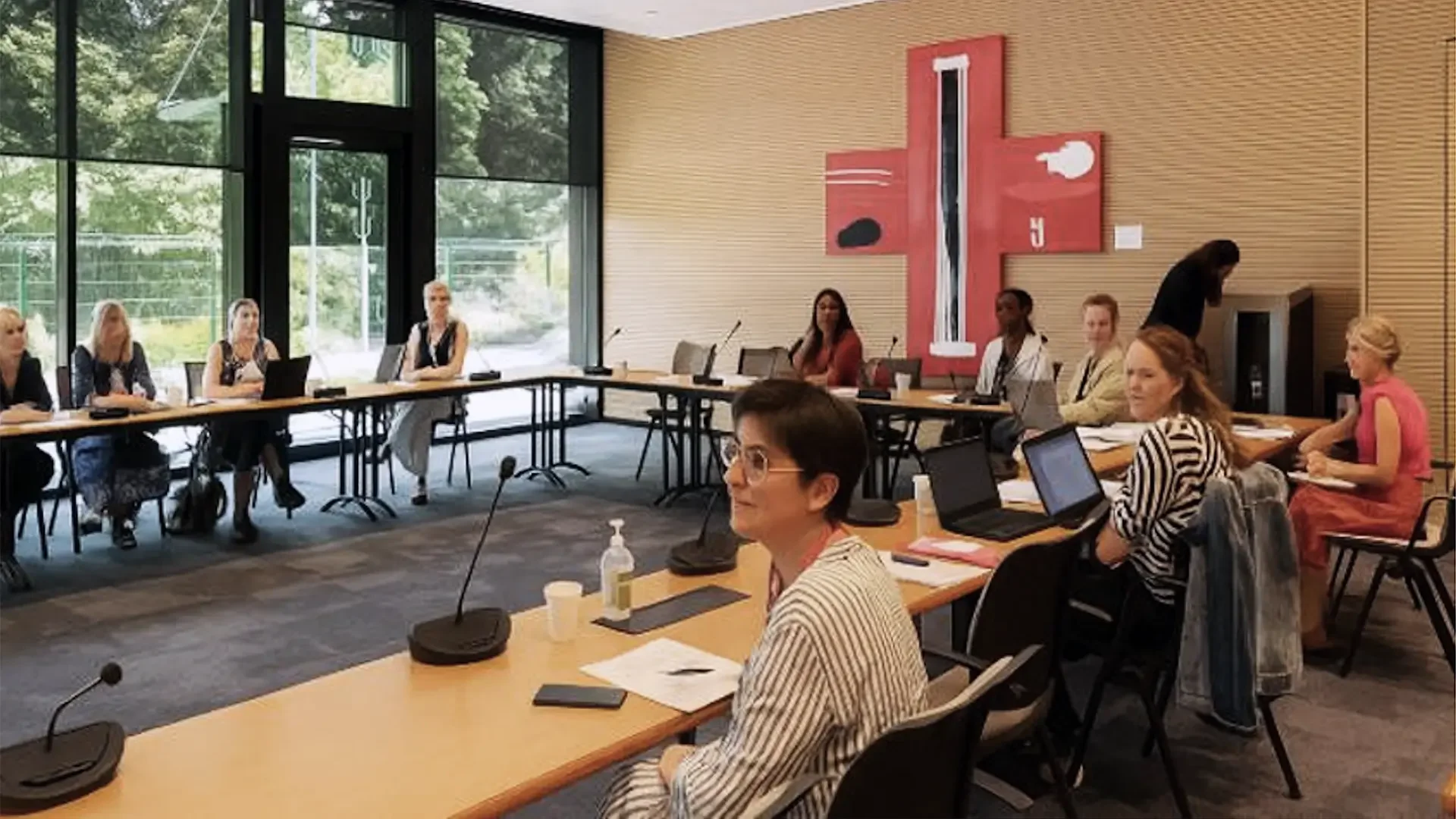
Call to Action (CtA) Meeting with the Emergency Relief Coordinator 30 June 2025. The meeting was convened to discuss Gender-Based Violence (GBV) within the Humanitarian Reset. It brought together senior representatives from states, UN agencies, NGOs.
Speakers:
Tine Morch Smith
Director General, Department of Multilateral Affairs, MFA Norway, and CtA lead
Tom Fletcher
Under-Secretary-General for Humanitarian Affairs and Emergency Relief Coordinator, OCHA
Jeanne Frangieh
Founder and Director, CtA Steering Committee, Himaya Daeem Aataa, Lebanon
Rurik Marsden
Deputy Director and Head of Humanitarian Policy and Partnerships Department in the Humanitarian, Food Security and Resilience Directorate at the FCDO UK
Elisabeth Tan
Director Division of International Protection, UNHCR
Shoko Arakaki
Director, Humanitarian Response Division, UNFPA
Attendees
CtA
Maryline Py, IOM, Head of Protection and AAP Division
Emilie Page, UNHCR, GBV unit team lead, co-chair of CtA International Organizations Working Group
Caroline Antoine (Action against Hunger)
Ina Heusgen (Germany)
Christine Apio (UNFPA)
Jennifer Chase, (GBV AoR Global Coordinator), and Astrid Haaland, (Deputy Coordinator)
Carina Hickling and Frida Pareus (CtA Secretariat, NORCAP)
Sophie Cleve (on behalf of Norway CtA leadership)
OCHA
April Pham (Senior Gender Advisor, Chief Gender Unit, OCHA CtA representative)
Michelle Kierulf (Donor Relations Section)
Nuha Hamarsha (Special Assistant to the USG/ERC)
Opening Remarks: CtA Lead Norway
Tine Mørch Smith, Director General, Multilateral Department, Norwegian MFA, opened the meeting by stressing that human rights, including women’s rights and gender equality must be at the core of a reformed humanitarian system. Norway supports a humanitarian reset focused on the centrality of protection, strengthened locally led response and a simplified and more efficient architecture. She highlighted the disproportionate impact of funding cuts on GBV prevention and response, the global pushback on women’s rights, and the heightened risk of GBV in crises.
Norway called for:
Safeguarding, prevention, and response to GBV, and the centrality of protection, must be at the heart of the humanitarian reform.
GBV to be recognised as lifesaving
Integration of GBV in accountability frameworks.
Dedicated spaces for GBV advocacy and coordination and use of core GBV indicators is vital
Funding for GBV must be ensured, and all sectors must be held accountable for mitigating GBV in their programming
Barriers for Women-led organisations’ access to funding must be addressed
CtA serve as a practical advisory mechanism to help the ERC operationalise commitments within the humanitarian reset.
Discussion
NGO/WLO Perspective:
GBV must be addressed from the first day of any crisis, with all sectors sharing responsibility for protection.
The Humanitarian Reset is an opportunity to actualize problems from the past i.e. exclusion of local voices, WLOs, WROs and Refugee led organizations
70% of humanitarian funding to be allocated to local actors, with a clear share earmarked for WLOs, with harmonised due diligence processes.
Need for real power shifts to local leadership and asked the ERC to clarify how commitments to women and girls will be translated into practice.
Need for safe coordination space for GBV, for leadership support, and a meeting between the WLOs and the ERC later in the year for feedback on the reforms.
ERC perspective:
The conclusions from the 17 June 2025 IASC meeting included the most robust and explicit language used yet by the IASC on the collective commitment to gender equality and protection work as lifesaving, reaffirming that women and girls are at the heart of the Reset, despite sustained political attack by some Member States on women’s rights.
Need to maintain advocacy
Power follows the funding, and donors will need to make the decisions and choices required to prioritize and drive this sector, including by spending more on gender and GBV.
Streamlining the humanitarian sector must not result in deprioritizing GBV and women’s issues, and the recent IASC meeting was clear on this emphasis.
A big theme of the Reset is empowering humanitarian leadership in country. Reaching gender parity for Humanitarian Coordinators (HCs) and ensuring that female HCs are strongly supported in their roles still needs to be prioritized.
More robust action on PSEA continues to be needed, which was further emphasized in the recent IASC meeting.
The empowerment of local actors is at the heart of the Humanitarian Reset, and as part of that a significant proportion of pooled funding must go to local actors and WLOs.
Half of humanitarian financing should be committed towards Pooled Funds; and of that 70 percent to local actors, and a significant proportion of that to WLOs. Donors are needed to drive the shifts in the sector through their funding choices.
The USG/ERC also noted the need to examine why WLOs are not getting the funding and how this can be addressed.
Stakeholder Highlights
Supporting the CtA Funding Task Team, proposing a donor-IASC roundtable on accountability and coordination.
Recommend to ensure that GBV funding needs are visible in all appeals, proportional funding allocations, and the maintenance of a space within a consolidated protection cluster for GBV actors.
GBV needs to be integrated in the new HC Accountability Framework.
Every crisis is a GBV crisis; warned of shrinking safe spaces and threats to GBV first responders.
In conclusion and as continued follow-up to the meeting, the following actions were recommended and to be pursued within the context of the Humanitarian Reset:
GBV should be institutionalized as lifesaving within the relevant upcoming Humanitarian Reset guidance documents and messaging.
The ERC will continue to meet with WLOs on all his missions to humanitarian operations, noting his upcoming planned visits to the Sahel and Haiti.
Pooled funding targets for WLOs should be championed by agencies and donors.
GBV should be included in the forthcoming HC Accountability Framework.
GBV should be safeguarded in coordination spaces within the Protection Cluster.
Barriers for Women-led organisations’ access to funding should be addressed, including due diligence processes for WLOs.